 stories forges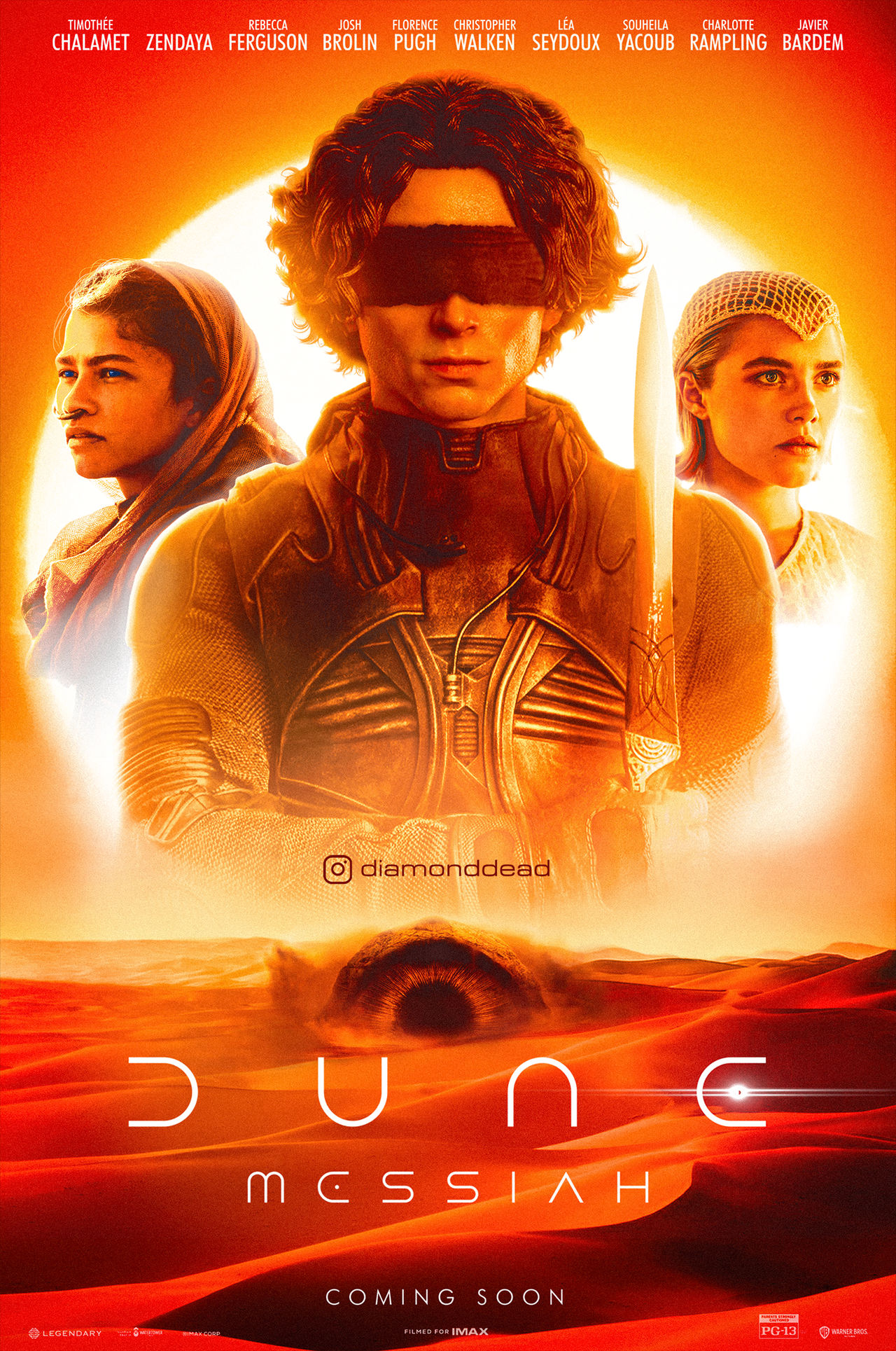
If the original Dune was the ultimate hero's journey, Dune Messiah is the devastating hangover that follows. Frank Herbert was famously frustrated that readers walked away from the first book idolizing Paul Atreides. Messiah is his aggressive, uncompromising correction. Clocking in at a fraction of the original's length, this sequel isn't about grand desert battles or the thrill of reclaiming a planet; it is a suffocating political thriller set in the dreary halls of a stifling imperial palace.
Paul is no longer the scrappy underdog; he is a tired, trapped God-Emperor presiding over a jihad that has slaughtered billions in his name. Herbert delves deep into the tragedy of prescience. Paul is imprisoned by his own visions of the future, trapped on a fixed path of misery because the alternatives are supposedly worse. The introduction of the Tleilaxu and the horrific concept of the ghola (specifically the resurrection of Duncan Idaho) adds a layer of macabre body-horror and philosophical questioning about identity and loyalty.
Many readers hate this book because it methodically strips away everything triumphant about the first novel. The pacing is almost entirely conversational, heavily reliant on internal monologues and layered, deceitful dialogue between conspirators. It lacks the sheer world-building wonder of Arrakis’ introduction. However, as a thematic conclusion to Paul's arc, it is absolutely essential. It is a bleak, challenging read that proves Herbert was decades ahead of his time in tearing down the very concept of the charismatic leader.
Be the first reader to leave a rating.