 stories forges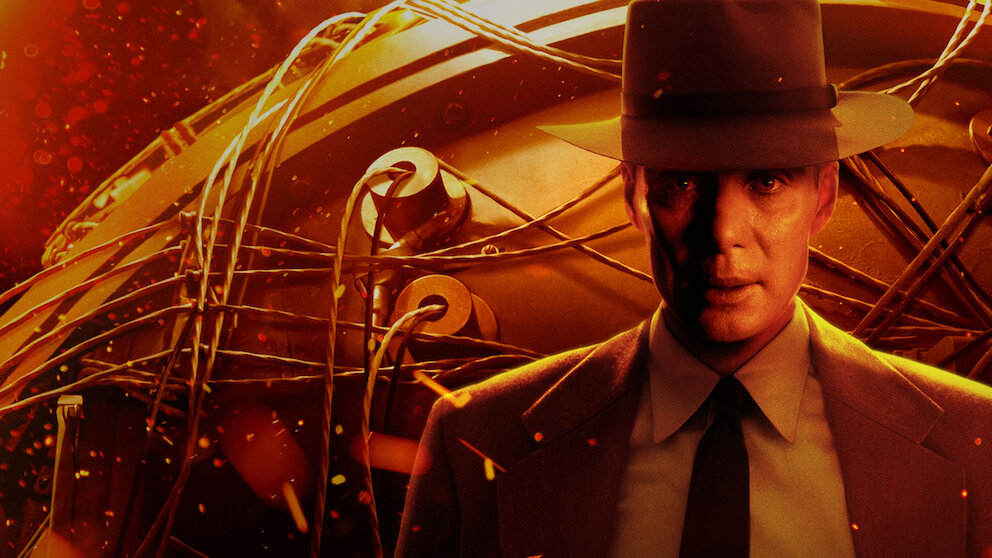
A three-hour movie about theoretical physicists doing math on blackboards and politicians arguing in claustrophobic rooms should not be one of the most stressful cinematic experiences of the decade. Yet, Christopher Nolan has directed Oppenheimer with the relentless, pulsating tension of a ticking bomb. Escaping the convoluted time-travel mechanics of Tenet, Nolan grounds himself in history, delivering a sprawling, deeply cynical biopic that forces the audience to bear the crushing weight of the atomic age.
Cillian Murphy’s performance is nothing short of magnetic. He plays J. Robert Oppenheimer not as a heroic patriot, but as a brilliant, deeply flawed narcissist who is slowly consumed by the realization of what he has built. The film’s centerpiece—the Trinity Test—is a masterclass in tension. Instead of relying on deafening noise, Nolan utilizes absolute, horrifying silence at the moment of detonation, followed by a shockwave that physically shook theaters. It is one of the most awe-inspiring and terrifying sequences ever committed to film.
The final act shifts heavily into a legal and political thriller, focusing on the petty, vindictive crusade of Lewis Strauss (a career-best Robert Downey Jr.). While incredibly well-acted and sharply edited, this final hour feels undeniably exhausting. Keeping track of dozens of scientists, military officials, and politicians over jumping timelines demands intense concentration. It is not an easy or particularly enjoyable watch, but as a technical and narrative achievement, it is the crown jewel of Nolan’s filmography.
Be the first reader to leave a rating.